The Invisible Craftsman
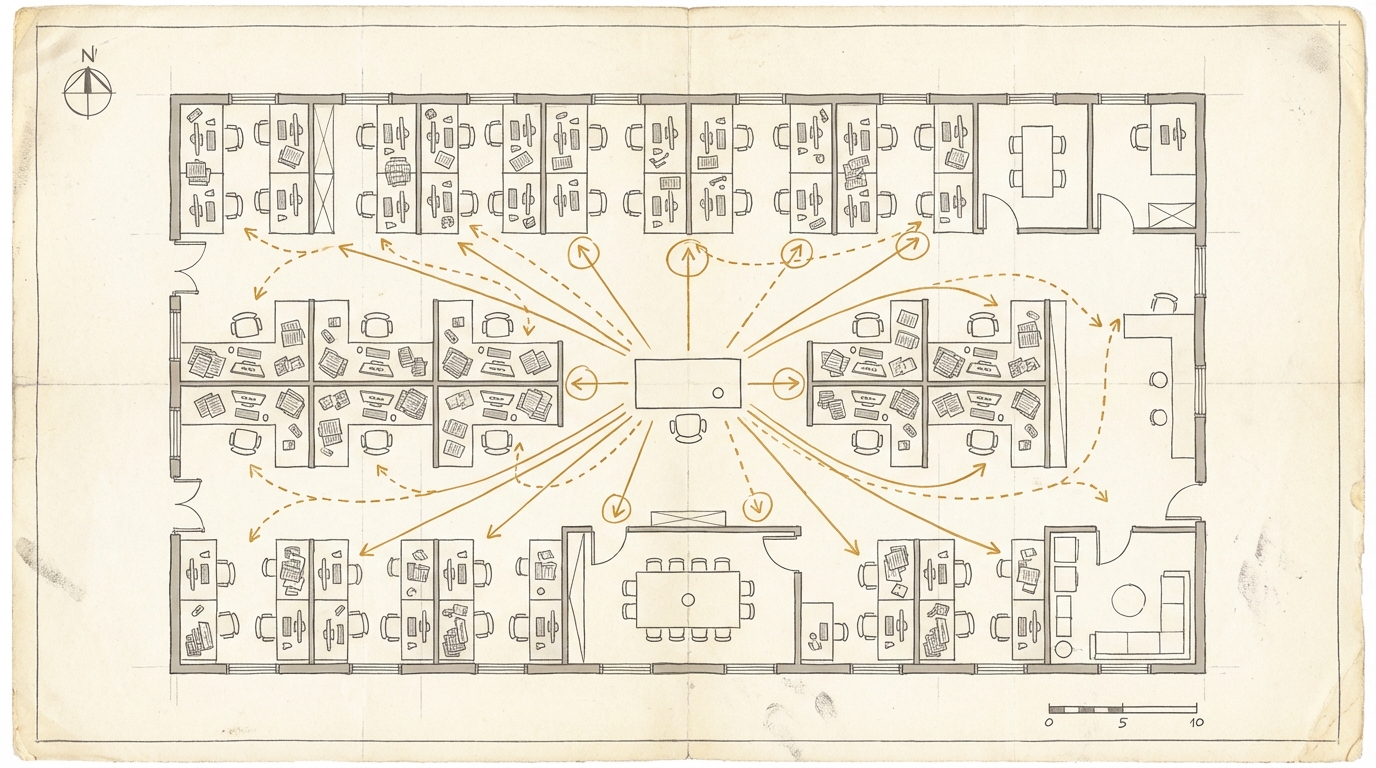
Gergely Orosz interviewed one of the best engineers he worked with at Uber this week. Top 3% in performance calibrations. Promoted multiple times. When he changed jobs, he never applied. Former colleagues fought to hire him. One startup was ready to create a position just to bring him on.
His GitHub profile: empty. Zero public commits in five years. No LinkedIn profile beyond a list of employers. No social media. No conference talks. No blog posts. From the outside: invisible.
Stay up to date
Get notified when I publish something new, and unsubscribe at any time.
His actual strengths: He breaks tasks into manageable pieces early. He communicates delays as trade-offs, not as problems. He approaches engineers on other teams directly, asks about their systems, gets his hands dirty in unfamiliar codebases. And he says no when priorities don't line up.
None of this produces artifacts. No commit, no post, no document. It's work that's only visible if you're standing next to it.
This caught my attention because we're heading in a direction where visible artifacts are exploding. AI lowers the cost of everything you can show: code, drafts, presentations, analyses. Production is getting cheaper. But the work that makes this engineer the best in the room has no production cost. It can't be accelerated because it doesn't consist of output. It consists of judgment, context, and relationships.
When AI makes artifact production cheaper, the volume of visible work will increase. Meanwhile, the invisible work, the work that makes the actual difference, stays just as expensive. The ratio shifts. The signal-to-noise ratio gets worse.
I don't know how organizations will deal with this. But the question is there: When everything you can show becomes cheaper to produce, how do you recognize the people whose value lies in what you can't see?
Ask yourself (or ask your AI): Who on your team produces the fewest visible artifacts but has the greatest impact on the quality of outcomes? And how would you prove that in a performance review?