The Dispatcher Beats the Model Fan
Kimi K2.6 versus Claude Opus 4.7 looks like another benchmark comparison at first glance. Claude passes more tests, makes fewer mistakes, and wins the quality score. Kimi remains visibly behind.
So far, so expected.
It gets interesting at the price. Claude cost $3.56 in the test. Kimi cost $0.67. The weaker model delivered lower quality, but at around one fifth of the price. Claude was about 5.3 times as expensive. The real message, then, is not: "Kimi will soon beat Claude." The real message is: "Not every task deserves Claude."
That sounds less spectacular. It matters more.
Stay up to date
Get notified when I publish something new, and unsubscribe at any time.
Many companies still think about AI in model rankings. Which model is strongest? Which provider is leading right now? What does the benchmark say? That is understandable, but operationally too crude. In real work, there is no such thing as "the task." There is preparation, exploration, variant generation, research, review, specification, implementation, verification, and decision-making. These steps carry different risks. So they should not all get the same model.
A cheaper model can sketch ten variants before an expensive model develops one of them properly. It can do a first code review before Claude checks the critical areas. It can make bad ideas visible cheaply before expensive tokens are spent on good ones.
That is not a downgrade. It is division of labor.
On a construction site, you do not ask the structural engineer to carry bricks. You also do not ask the helper to sign off the bridge. Both would be absurd. In AI workflows, exactly that happens all the time. Either the best model is burned on every small task, or the cheapest model is allowed to do work where mistakes become expensive later.
Nate B. Jones has a useful core question for agents: what are you actually optimizing for? The same question applies to model choice. Are you optimizing for speed? Cost? Correctness? Variance? Traceability? Risk? Without that distinction, "we use AI" is about as precise as "we use vehicles." Could be a forklift. Could be an ambulance. You should not confuse the two.
Model orchestration is therefore not a toy for prompt nerds. It becomes a financial core skill. Not because cheap is always better. Because expensive without a reason is bad operations.
The next level of maturity is not knowing the strongest model at any given moment. It is cutting tasks cleanly. What is reversible? What only needs a draft? Where is an error embarrassing, but harmless? Where does it become legally, financially, or reputationally expensive? Where is one model enough? Where do you need peer review from a second one? And where does a human have to decide, because no metric in the world can tell you whether the result is actually good?
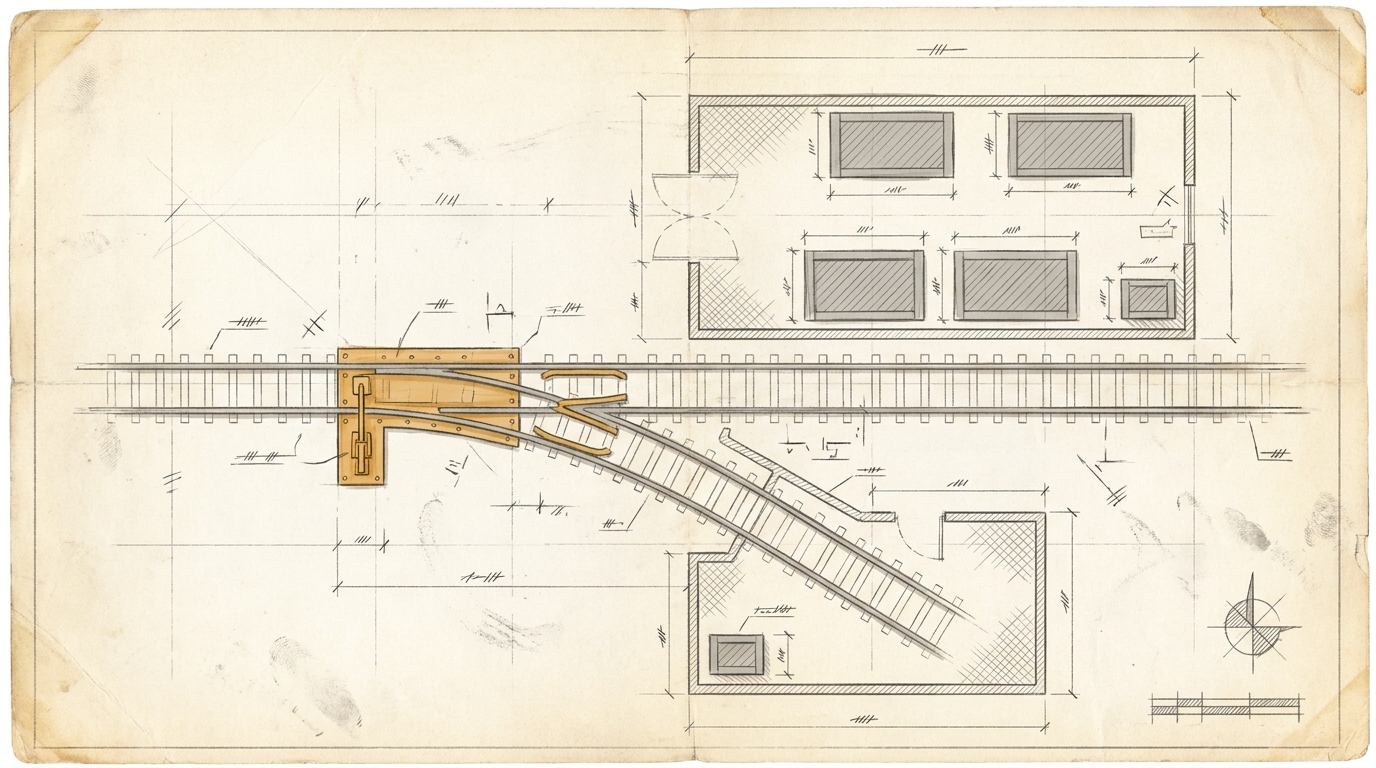
Maybe this is the sober part after the benchmark rush. Model fans ask who is currently ahead. Better organizations build dispatching.
They know when the master has to step in.
And when he does not.
Ask yourself, or ask your AI: Which tasks in your organization currently run through the most expensive model, even though a cheaper model could handle 80 percent of the preparation? And which tasks run through a cheap model, even though a mistake there would become properly expensive?